Noise is the complaint we hear most often on fan coil projects, and the first assumption is always that the unit is at fault. After twenty years of factory and site work, the split is roughly twenty percent product, eighty percent installation and maintenance.
The unit itself — motor bearing quality, fan balance, coil and casing fit. The installation — mounting, ducting, pipe connections, and whether anything is touching the casing that should not be. And use and maintenance — a filter that has never been cleaned, a fan running at a speed nobody reset, a valve partly closed and whistling.
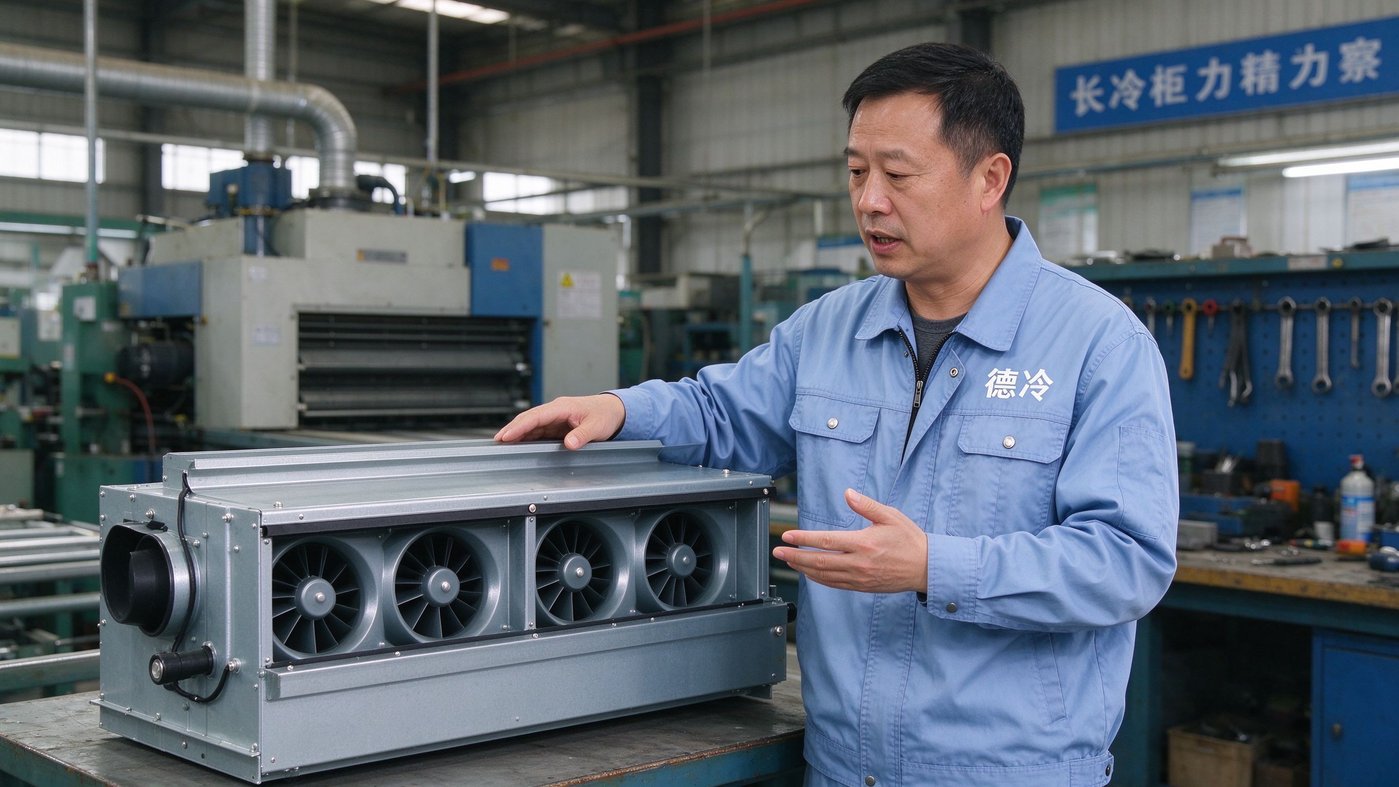
A motor with poor bearings hums at low speed; an unbalanced fan gives a once-per-revolution beat; vibration transmitted through a rigid casing reaches the ceiling. These are real, but they are detectable at commissioning by listening at each speed setting, and they are the manufacturer’s responsibility.
The most common causes in order: unit rigidly bolted to the ceiling without vibration isolators; supply or return duct connected without a flexible section, so the casing vibrates the whole duct run; pipe connections forced, putting the coil under strain; a unit installed with too little clearance so it resonates against the structure; and a duct system with too high a velocity or a sharp bend right at the outlet.
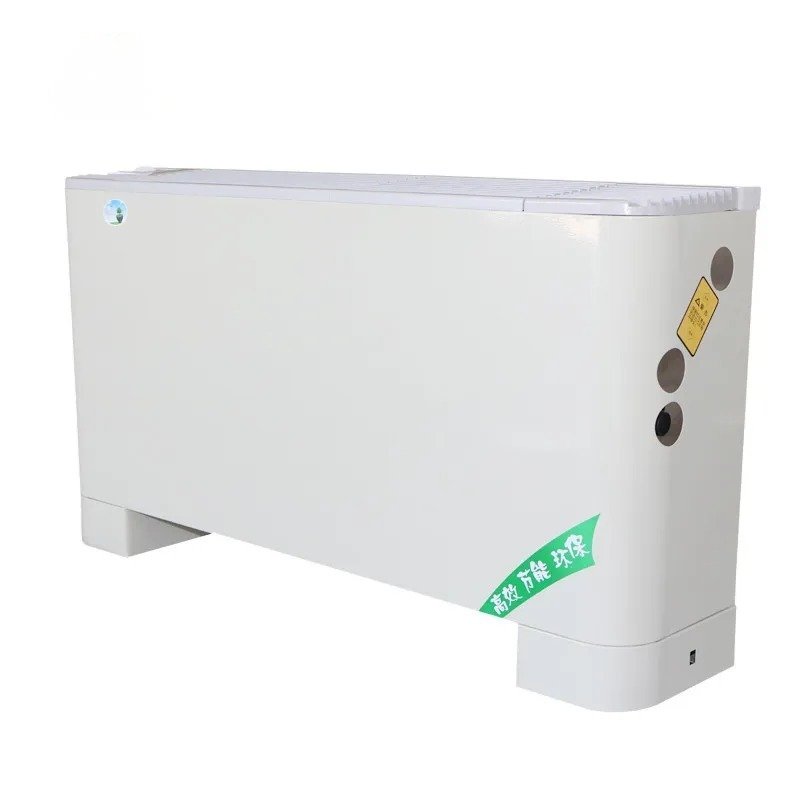
Run the fan at each of the three speeds and listen at the ceiling and at the diffuser. If the noise is present with the water valves closed, it is air side or mechanical. If it appears only with water running, look at flow rate and trapped air. If it appears only after a season, look at the filter and the fan.
Give us the model, the mounting detail and the noise figure you measured and we will tell you whether the unit or the site is responsible — and what to change.