In one line: what damages a cooling coil is not low air temperature but the water left in the tubes after shutdown, freezing and expanding. For a short stop, do not drain: keep the coil full and shut the valves tight. For a seasonal stop, drain and blow through with compressed air until no droplet comes out. For continuous low-load winter running, hold a minimum flow and add a temperature interlock on the water side. Once a copper tube is expanded by ice, the fin-to-tube joint loosens, heat transfer area is lost, and in the worst case the coil leaks and has to be replaced.
Three points to judge by:
Shutting the water valve without draining accomplishes nothing — valve leakage and low points in the pipework are normal.
To tell whether a coil has frozen, look for three symptoms: low supply-air temperature, a shrinking water temperature difference across the coil, and local frosting or bulging on the coil face.
Before restarting, check for residual water in the tubes, bulged fins and valve positions, then start the pump.
Every November the first calls that pick up are “the coil has frozen”. Most are not a quality problem: nobody looked after the water left in the tubes after the unit stopped.
To state the conclusion plainly: a cooling coil does not fear the cold, it fears water freezing and expanding inside the tubes. The copper tube expands, the fins bulge with it, and the result is anything from poor heat transfer and low supply-air temperature to a leak and water crossing between circuits, which means replacing the whole coil.
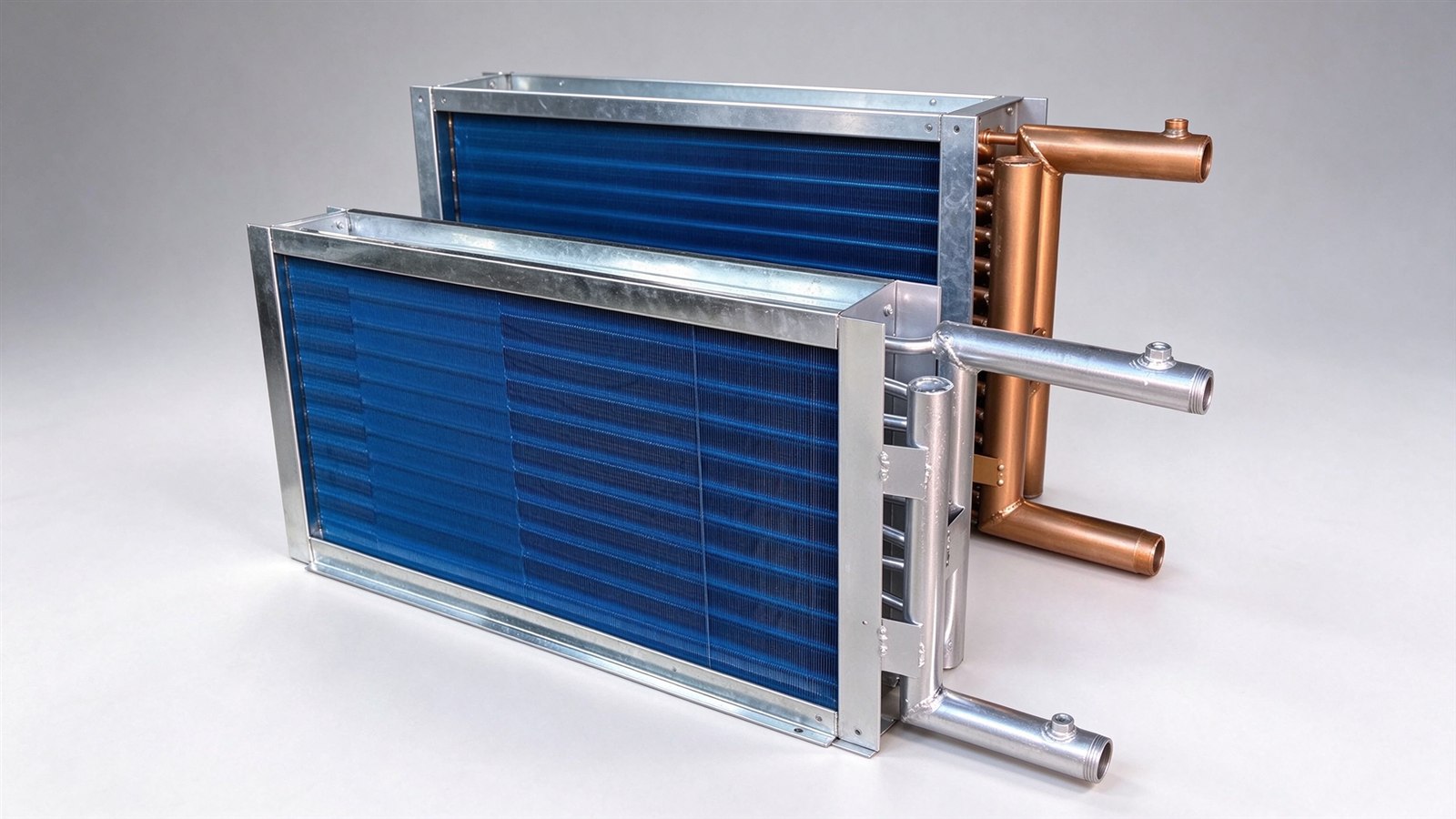
Fig. 1 — a DL-ACR series cooling coil: copper tubes through hydrophilic aluminium fins, mechanically expanded
A cooling coil is copper tube through hydrophilic aluminium fin, mechanically expanded, water inside the tubes and air outside. Water expands when it freezes, and the copper tube is the part that takes that force first. Because the fins are expanded onto the tube, once the tube swells the contact at the fin root loosens and heat transfer area is simply thrown away.
Which is why three symptoms are enough to tell whether a coil has frozen: a clearly low supply-air temperature, a smaller water temperature difference across the same unit, and local frosting or bulging on the coil face.
A stop for one day and a stop for the whole heating season are opposite cases. Match the scenario first, then decide whether to drain.
| Scenario | Drain? | What must be done | Most common mistake |
|---|---|---|---|
| Short stop (off today, on tomorrow) | No | Keep the coil full, shut fresh-air and water valves tight, keep the plant room above 0 °C, run the pump intermittently as needed | Staffed by day, empty at night, water sits in the tubes overnight |
| Seasonal stop (unused for the heating season) | Yes, and blow through | Close make-up, open low-point drain and high-point vent, blow compressed air from one end until no droplet appears, leave the drain valve open for the winter | Closing valves only, and believing it is done |
| Continuous winter running at very low load | No, but control temperature and flow | Minimum flow, limited fresh-air ratio, fresh-air damper interlocked closed, water-side temperature monitoring with fan stop protection | “It is running” breeds complacency — low load, low water temperature and low flow is the riskiest state |
| Stopped and not drained (severe cold, unmanned plant room) | Preferably yes | Insulation plus electric heat tracing with a thermostat set to start at 5 °C, and a daily plant-room temperature round | Insulation only, no thermostat — a long cold spell still freezes it |
1) Short stop. Do not drain. Keep the tubes full, close the fresh-air and water valves tight, hold the plant room above zero and run the circulation pump intermittently. This is the scenario people overlook: staffed by day, empty at night, water sitting in the tubes — one cold snap overnight is enough.
2) Seasonal stop. Drain, and drain properly. Closing the valves without draining achieves nothing — valves do not seat perfectly and pipework has low points. The correct sequence: close make-up, open the low-point drain and the high-point vent, blow compressed air from one end until no droplet comes out at the other, and leave the drain valve open over the winter. Close the valves afterwards so nobody refills the coil by mistake next season.
3) Continuous running at low load. This is the dangerous one, because “it is running” makes people relax. At low load the water is cold and the flow low, and the coil freezes locally first. Hold a minimum flow, avoid an excessive fresh-air ratio, interlock the fresh-air damper closed, and add water-side temperature monitoring that stops the fan below the setpoint to protect the coil.
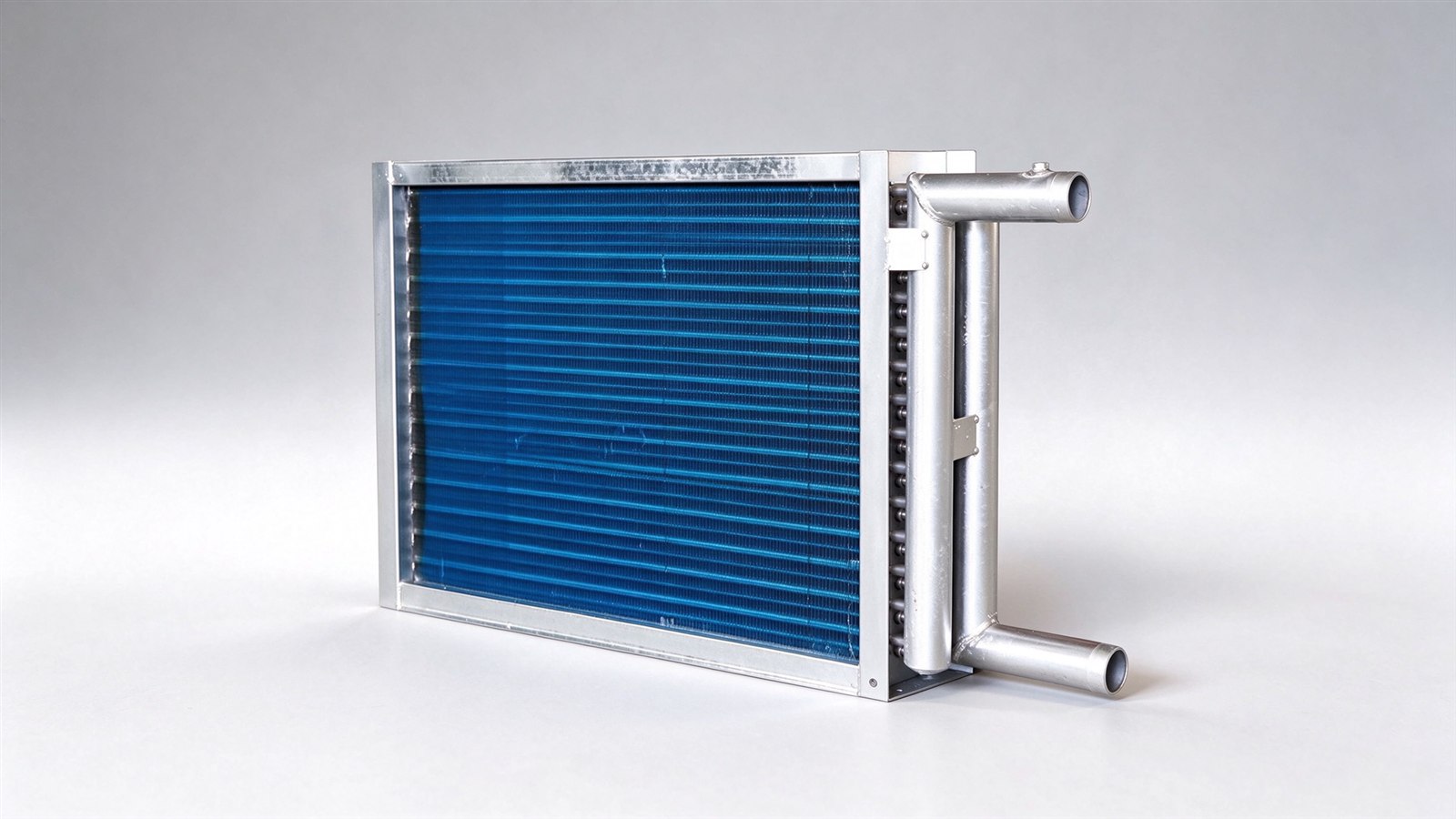
Fig. 2 — the fin root and expanded tube joint: the first place to loosen after a freeze, taking heat transfer with it
The insulation that matters is not the casing of the unit but the plant room and the pipework. Whether a coil freezes often has nothing to do with the outdoor temperature and everything to do with whether the plant room holds a floor temperature.
First, keep the plant room and ceiling void above 5 °C, doors and windows closed, and no draught passing the unit. Second, insulate the water pipes and coil connections with closed-cell rubber, 20 to 30 mm depending on pipe size, without burying valve handwheels or vents so the coil can still be serviced. Third, in severe cold or where the plant room is unmanned and not drained, add electric heat tracing with a thermostat: tape wrapped along the pipe, insulation over it, thermostat set to start at 5 °C.
Do not reverse the logic: insulation slows heat loss, heat tracing adds heat. Insulation alone, through a week of −15 °C nights, still lets the water drop below freezing.
Choose the concentration against the local extreme minimum, not one mix for the whole year. And glycol solutions transfer heat less well than water, so when selecting, apply the manufacturer’s correction factor and leave margin in the coil area — do not use water-based figures directly.
For a coil drained for the winter, check in order: no residual water in the tubes, no frozen bulges on the fins, water and drain valves back in position. All three pass, then start the pump — that way a hidden fault does not become a leak on the first day.
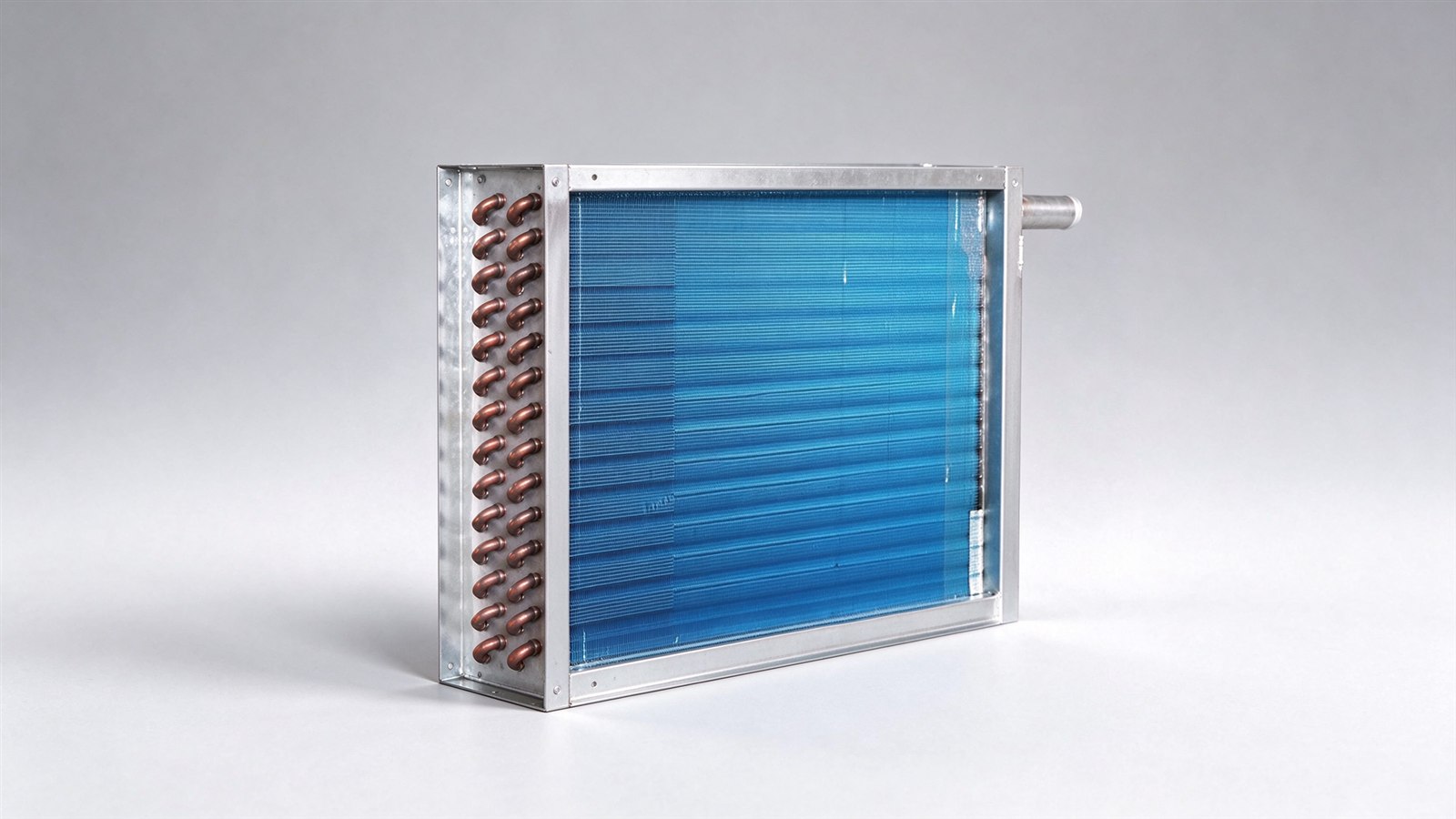
Fig. 3 — the tube circuits at the end plate: freezing often starts here; check bends and joints for bulging
| Item | Parameter |
|---|---|
| Model | DL-ACR series |
| Heat transfer area | 10–200 m², custom |
| Air volume | 500–60,000 m³/h |
| Cooling capacity | 5–300 kW |
| Working pressure | ≤ 1.6 MPa |
| Copper tube | φ9.52 / φ12 / φ12.7 / φ15.88 mm |
| Rows | 2 / 4 / 6 / 8 rows |
| Fins and process | Hydrophilic aluminium fin, mechanical expansion |
| Casing and connections | To project drawings |
Full parameters are on the central air conditioning cooling coil page. Where the tube layout and connection positions need checking against a drawing, use the coil drawing tool. For how standard and optional items are checked in the same project, see Buying fan coils for a project: standard scope and priced options.
DeLENG makes central air conditioning cooling coils, fan coil units and ceiling-mounted AHUs in Dezhou, Shandong. The DL-ACR series is built to project drawings for area, rows and connection direction, with a hydrostatic test and certificate before dispatch. If a winter shutdown plan is still undecided, tell us the plant-room minimum temperature, the shutdown duration and whether the coil will be drained, and the frost protection goes into the selection with everything else.
Can a coil that has frozen once still be used?
It depends how far it went. Light surface frosting with a normal water temperature difference after restart can stay in service; bulging, leakage or an obvious loss of capacity means replace the coil rather than run it damaged.
Is closing the water valve enough for the winter?
No. Valve leakage and low points in the pipework are normal — it looks shut, but water is still inside.
Can antifreeze be mixed with water?
Better not. Topping up with water dilutes the concentration, and protection is then rated at its weakest state — the same as adding nothing.
Three days at a few degrees below zero in the plant room — will it freeze?
Look at conditions, not days. Tubes full, plant room below 0 °C and a draught past the unit can freeze locally overnight, and three days is enough to expand thin-wall copper tube. Judge by measured plant-room temperature and valve position, not by how short the stop felt.
Insulation or heat tracing — which works better?
They do different jobs. Insulation slows heat loss; heat tracing adds heat. For an undrained stop or an unmanned plant room in severe cold, use both; insulation alone without a thermostat still freezes through a long cold spell.
Related products: cooling coils and heaters